Ahead of International Overdose Awareness Day on 31 August, we spoke with Deborah Hinchsliff, Brisbane Youth Service (BYS) Health Services Senior Manager.
Young people experiencing homelessness often face multiple, interconnected challenges. At BYS, two in five young people told us substance use had negatively impacted their lives, while 16% reported current concerns about their substance use.
At the same time, more than a third reported not using any substances, including alcohol and vapes, in the previous three months, reflecting broader trends showing substance use among young people is declining (BYS Annual Report, 2024-25).
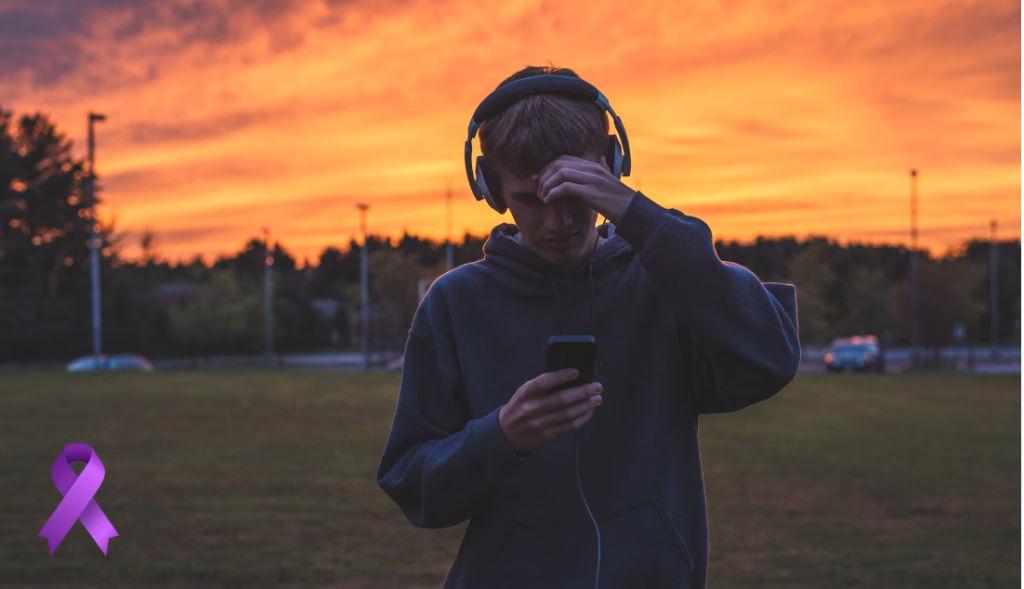
Why is International Overdose Awareness Day important?
International Overdose Awareness Day is an opportunity to start conversations with compassion and understanding. It helps raise awareness about overdose, reduce stigma, and remind people that support is available.
It’s also a time to remember the people we’ve lost and acknowledge the grief carried by families, friends, and communities.
What are young people hoping for when they come to Brisbane Youth Service?
The young people who access BYS health services are generally in unstable housing, socially isolated, navigating complex and unsafe relationships, and struggling with poor physical and mental health and suicidality. Almost all of them are also using drugs and alcohol as a way of coping.
Young people tell us they want the same things most people want: a safe place to live, healthy relationships, stability, connection, and a future they can look forward to. Many have spent long periods focused on survival. When basic needs such as safety, housing, and food are in place, it becomes easier to plan for the future and pursue longer-term goals.
You often talk about “dual diagnosis”. What does that mean?
Dual diagnosis is a clinical term that’s used when someone is experiencing both mental health challenges and alcohol or other drug concerns at the same time. For the young people we support, it is often difficult to separate one from the other.
Like all of us, young people develop ways of coping when life becomes overwhelming. Sometimes those coping strategies can create additional challenges or risks, which is where the right support can make a real difference.
What makes Brisbane Youth Service’s approach different?
Flexibility is one of our greatest strengths. We take a trauma-informed approach and adapt support to each young person’s circumstances. What makes BYS unique is our integrated model, bringing together mental health clinicians, AOD workers, housing teams, domestic, family, and sexual violence specialists, youth workers, and doctors to provide wraparound support.
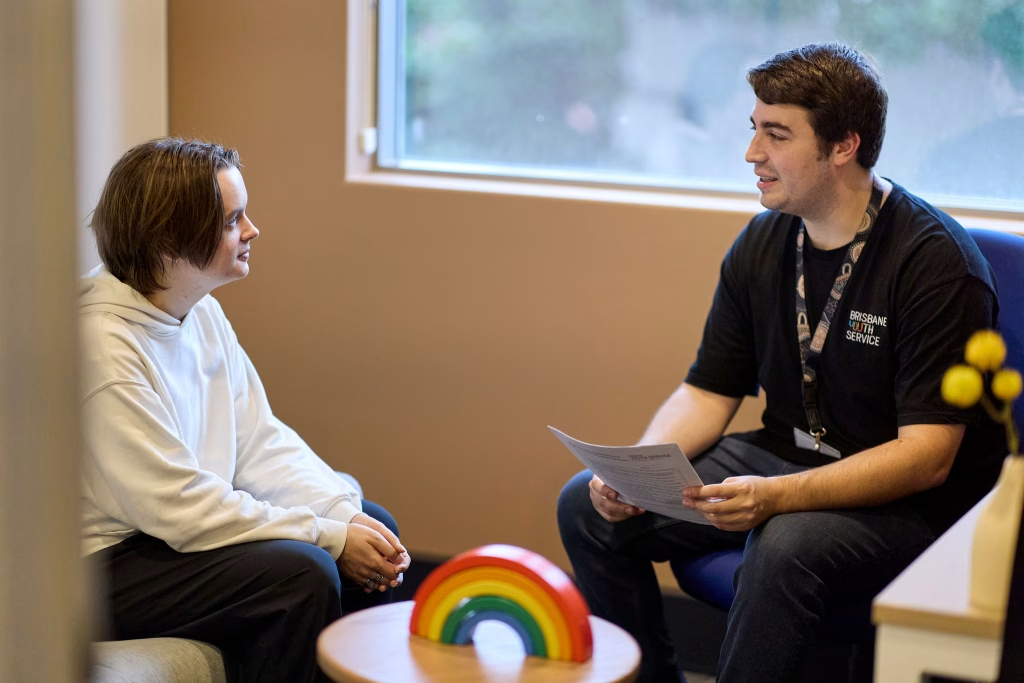
You’ve spoken about the connection between alcohol and other drugs, mental health, and domestic violence. What are you seeing?
One of the biggest things I’ve learned since joining BYS is just how interconnected these experiences can be.
I’ve been struck by how experiences of violence sit alongside other issues we’re supporting a young person through. Sometimes alcohol or other drugs can become part of unhealthy relationship dynamics, including coercion and control. That’s why youth-specific, specialist domestic and family violence support is such an important part of the broader picture.
What role do relationships play in recovery and wellbeing?
We find that people need safe, trusted relationships before other interventions can really take hold.
Many young people haven’t always had adults in their lives that they could rely on. Before we can talk about goals, recovery, or long-term change, people need to feel safe.
Sometimes progress looks like a young person slowly building trust with a worker. One attentive, attuned adult can make all the difference in a young person’s life.
What does harm minimisation mean in practice?
Harm minimisation is about helping people stay as safe and healthy as possible.
It can involve practical education, reducing risks associated with substance use, connecting young people with treatment when they’re ready, or simply helping someone make a safer choice today than they made yesterday.
People are more likely to seek help and recover when they have access to support and understanding rather than judgement.
What gives you hope?
I see hope every day.
Sometimes it looks like a young person moving into stable housing. Sometimes it’s reconnecting with family, improving relationships, reducing harmful substance use, or simply feeling safe enough to start imagining a future again.
We often celebrate the big milestones, but some of the most meaningful moments are the smaller ones. A young person who keeps showing up. Someone who starts trusting a worker. Someone who tells us they finally feel hopeful about their life.
Those moments might not seem significant from the outside, but they can be the foundation for enormous change.
What would you like readers to understand about this work?
We see every day how specialised mental health and alcohol and other drugs support can help young people strengthen relationships, improve their wellbeing, sustain housing, and move towards the future they want for themselves.
We also know many more young people could benefit from these services than we currently have capacity to support.
International Overdose Awareness Day reminds us that overdose is preventable, and that access to the right support at the right time can change the trajectory of a young person’s life.
If we want young people not only to leave homelessness, but to thrive in the long term, we need to invest in the wraparound supports that make recovery, stability, and wellbeing possible.
One‑third of the young people we support (aged 12–25) are parents, caring for young children while facing homelessness and complex trauma themselves. Young parents need support that recognises both their own needs and their children’s.
Brisbane Youth Service offers individualised support, parenting groups, and a program for young dads, helping them stay connected, build parenting skills, and strengthen family safety and wellbeing. Our Safe Young Mums and Bubs Program provides specialised accommodation and intensive, wraparound support for young mums or pregnant people experiencing homelessness and domestic, family or sexual violence, and their babies.
Donate today to help break the cycle of homelessness and disadvantage
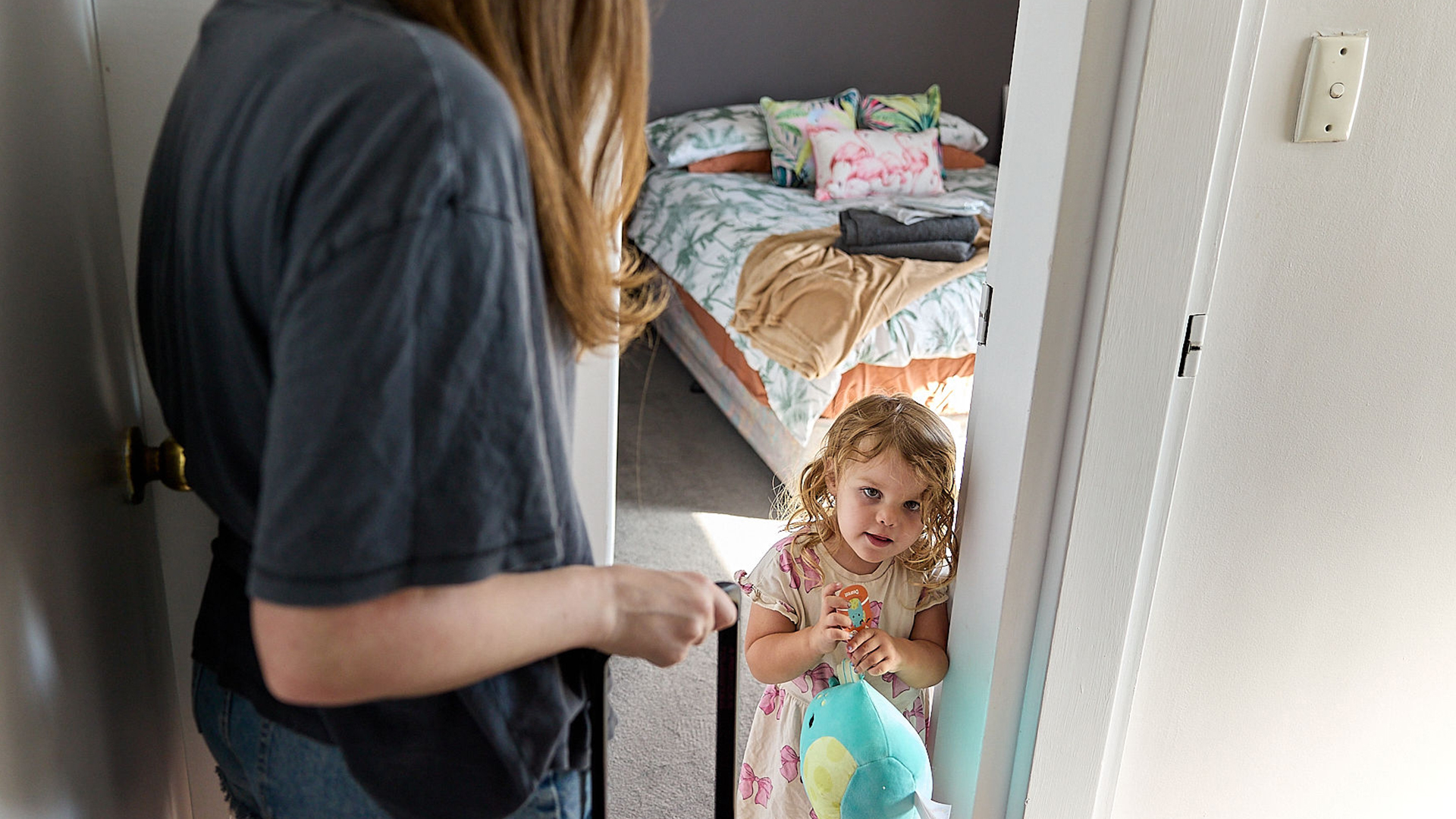
One‑third of the young people we support (aged 12–25) are parents, caring for young children while facing homelessness and complex trauma themselves. Young parents need support that recognises both their own needs and their children’s.
Brisbane Youth Service offers individualised support, parenting groups, and a program for young dads, helping them stay connected, build parenting skills, and strengthen family safety and wellbeing. Our Safe Young Mums and Bubs Program provides specialised accommodation and intensive, wraparound support for young mums or pregnant people experiencing homelessness and domestic, family or sexual violence, and their babies.
Donate today to help break the cycle of homelessness and disadvantage
We’re nearly 50!
Since 1977, Brisbane Youth Service has walked alongside young people facing disadvantage and homelessness. Almost five decades on, our mission remains: helping Brisbane’s young people shape new futures. As we approach our golden jubilee in 2027, we invite you to join us in celebrating the achievements and resilience of young people, listening to their voices, and driving lasting change, together.
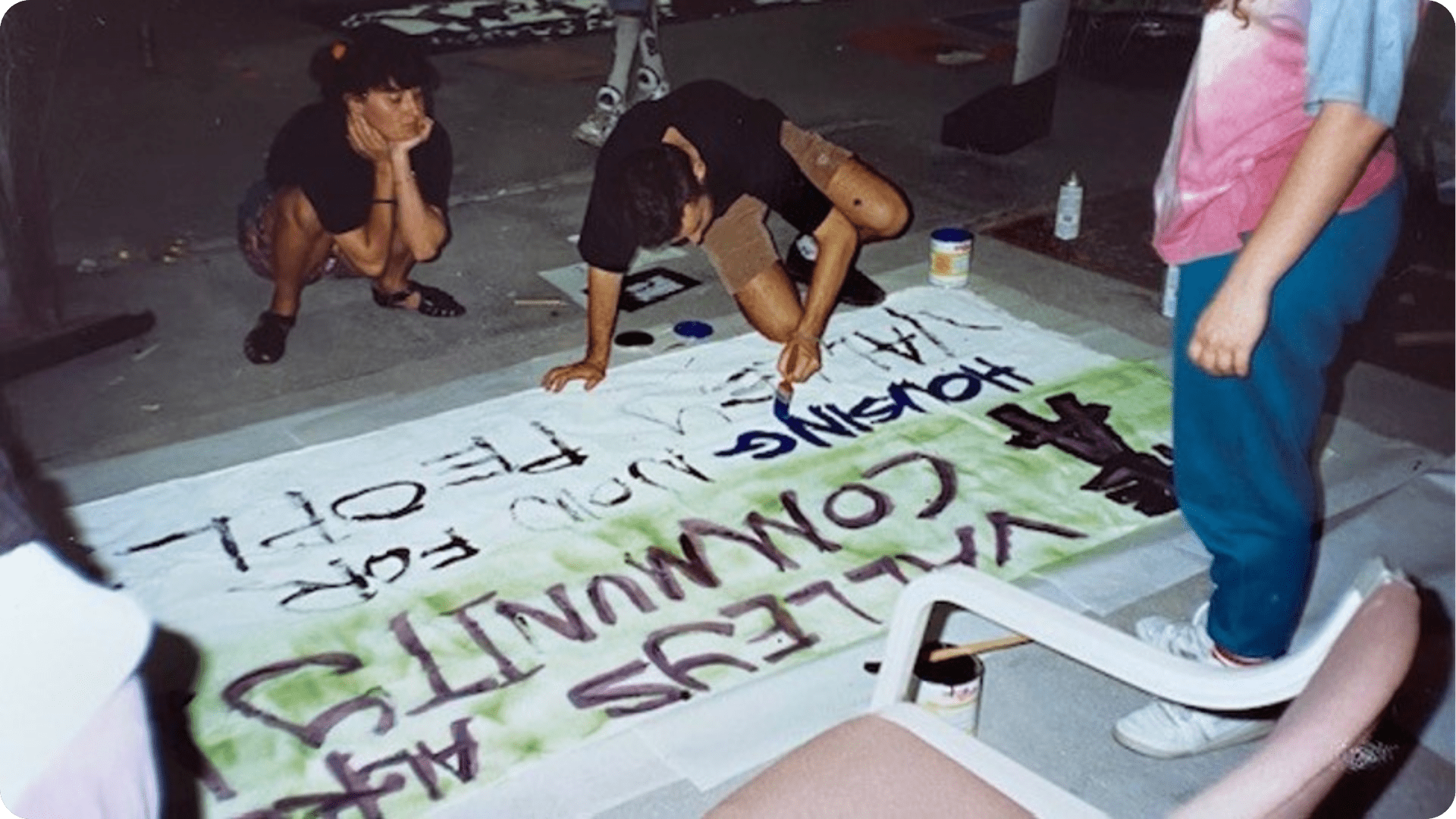
We’re nearly 50!
Since 1977, Brisbane Youth Service has walked alongside young people facing disadvantage and homelessness. Almost five decades on, our mission remains: helping Brisbane’s young people shape new futures. As we approach our golden jubilee in 2027, we invite you to join us in celebrating the achievements and resilience of young people, listening to their voices, and driving lasting change, together.